Why Middleburg Commercial Movers Matter for Managing Large-Scale Business and Workplace Relocations
Moving a business to a new location is a complex undertaking that requires much more than transporting desks and office chairs. Commercial relocations may involve multiple departments, large quantities of furniture, computers, equipment, documents, inventory, and specialized items. At the same time, businesses often need to maintain normal operations and limit interruptions to employees and customers.
Middleburg commercial movers can help businesses organize the physical side of a workplace relocation through structured planning, packing, loading, transportation, unloading, and placement. A carefully coordinated move allows business owners and managers to focus on operational priorities while the relocation progresses according to an established schedule.
Understanding the Complexity of Commercial Relocations
A commercial move can involve dozens or even hundreds of individual tasks. Each department may have different equipment, furniture, documents, and operational requirements. A company may also occupy multiple floors or buildings, making Long distance movers Middleburg coordination even more important.
Unlike a basic household move, commercial relocations must often account for employee schedules, customer access, technology systems, inventory, business records, and building regulations. Even a minor delay can affect productivity when several departments depend on the same moving timeline.
Developing a detailed relocation strategy before moving day helps businesses address these challenges in a structured manner.
Creating a Comprehensive Moving Plan
A successful commercial relocation begins with a clear plan. Business managers can identify the moving date, departments involved, equipment requirements, packing schedule, transportation needs, and destination setup.
The plan should divide the relocation into manageable stages. Nonessential items can be prepared first, while equipment and materials needed for ongoing operations may be moved according to departmental priorities.
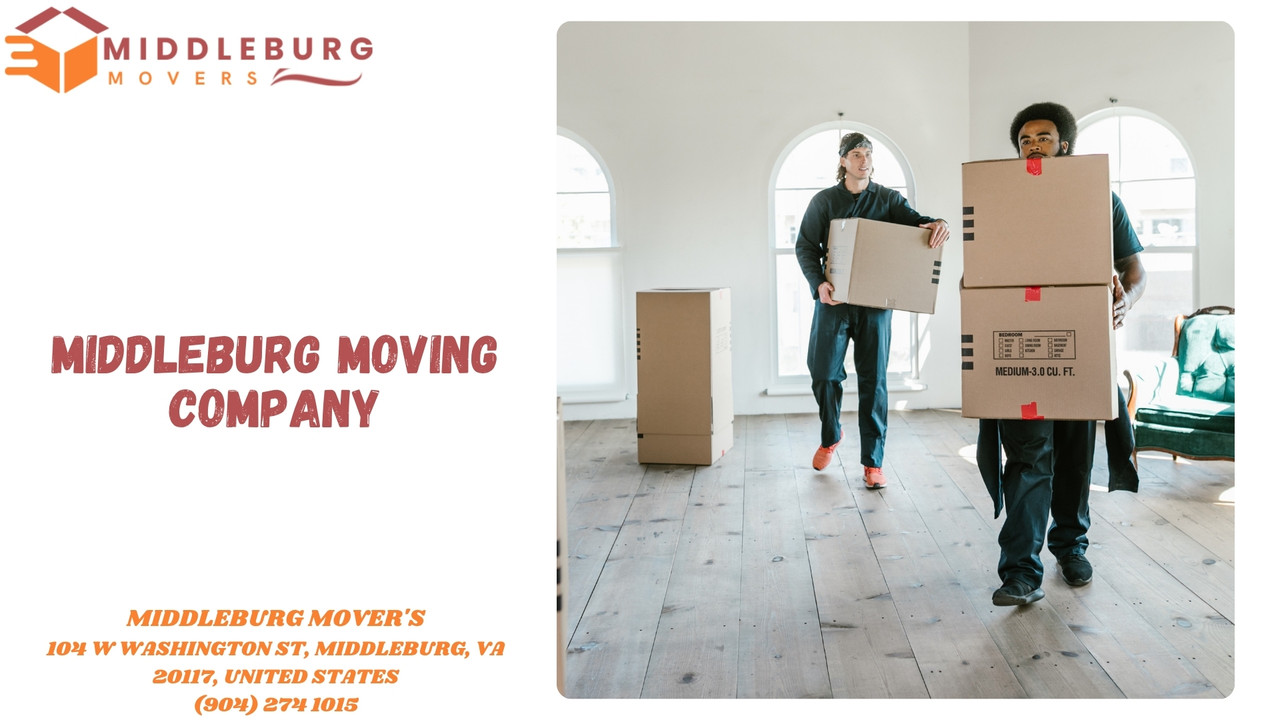
A written timeline also gives employees and other stakeholders a clear understanding of when different stages will take place.
Conducting a Detailed Business Inventory
Large-scale relocations can involve thousands of individual items. Creating an inventory before packing begins helps businesses keep track of furniture, technology, documents, supplies, equipment, and other property.
An inventory can also help identify items that no longer need to be transported. Outdated furniture, unused supplies, damaged equipment, and unnecessary files may be removed before the move, reducing the volume that must be packed and transported.
Departments can maintain separate inventory records when a business has multiple teams or locations. This makes it easier to determine where items belong after delivery.
Organizing Commercial Packing
Packing an entire workplace requires a systematic approach. Boxes should be grouped and labeled according to departments, rooms, floors, or specific work areas.
Clear labels can identify contents and destinations, making unloading more efficient. A consistent labeling system also reduces confusion when employees begin unpacking at the new location.
Businesses should establish appropriate procedures for confidential records and sensitive materials. Important documents may require additional organizational measures based on the company's internal policies.
Protecting Office Furniture
Commercial offices often contain large and expensive furniture, including executive desks, conference tables, filing cabinets, shelving, reception counters, workstations, and ergonomic chairs. These items can be difficult to maneuver through hallways, elevators, and doors.
Proper preparation can help protect furniture during handling and transportation. Wrapping, padding, and careful positioning can reduce exposure to scratches, dents, and other damage.
Large furniture should also be considered during the initial planning stage. Measuring oversized items and access points can reveal potential challenges before moving day.
Managing Technology and Electronic Equipment
Technology is central to many modern workplaces. Computers, monitors, printers, servers, networking equipment, phones, audiovisual systems, and other devices may all need to be relocated.
Businesses should coordinate technology preparation with qualified internal staff or appropriate technical personnel. Equipment may need to be disconnected, labeled, packed, transported, reconnected, and tested.
A technology inventory can help confirm that essential equipment reaches the correct department or workstation. This is particularly useful for large organizations with numerous similar devices.
Planning Building Access
Commercial buildings often have specific procedures for moving activities. Businesses may need to coordinate elevator reservations, loading areas, parking spaces, entrance access, protective coverings, and approved moving hours.
Both the current and destination properties should be reviewed before the relocation. A building that allows unrestricted access at one location may have different requirements at another.
Confirming these details early can help prevent interruptions on moving day.
Reducing Workplace Downtime
Business downtime can affect employees, customers, productivity, and revenue-generating activities. For this reason, commercial relocation planning should consider how physical moving activities can be coordinated around normal business operations.
Some businesses may choose to move during evenings, weekends, holidays, or other periods when fewer employees are working. Others may benefit from a phased relocation in which departments move according to a predetermined schedule.
The right approach depends on the organization's size, operating hours, building requirements, and business priorities.
Using a Department-by-Department Approach
Large companies can simplify a complex move by organizing activities according to departments. Each team can have its own inventory, packing schedule, workstation plan, and destination area.
This approach makes it easier to track which areas have been packed and which remain operational. It can also simplify unloading because movers can direct items to clearly identified areas in the new workplace.
Department managers can communicate specific requirements before the moving process begins.
Handling Specialized Business Equipment
Some businesses operate equipment that requires special handling because of its size, weight, sensitivity, or design. Examples may include industrial equipment, laboratory items, large printing systems, specialized office machinery, or heavy storage units.
These items should be identified during the planning stage. Moving teams need to know about unusual equipment before the relocation so appropriate handling procedures and equipment can be considered.
Access routes should also be checked to ensure that specialized items can be safely moved through the property.
Managing Heavy and Oversized Items
Heavy furniture and equipment can create significant challenges during commercial moves. Large safes, cabinets, conference tables, machinery, and other oversized objects may require additional planning.
Businesses should identify these items during the initial assessment rather than waiting until the loading stage. Knowing the dimensions and weight of large objects can help determine suitable routes, equipment, and handling procedures.
Coordinating Transportation
Transportation planning becomes increasingly important as the size of a relocation grows. A large office may require multiple vehicle loads or a carefully organized sequence of transportation.
The moving schedule should account for loading time, travel distance, traffic conditions, delivery access, and unloading requirements. When multiple loads are involved, businesses can prioritize which items should arrive first at the new workplace.
Clear transportation planning helps keep the relocation process organized from departure through final delivery.
Planning the New Workplace Layout
Furniture and equipment should not simply be unloaded wherever space is available. A destination floor plan can show where desks, workstations, conference furniture, storage units, and other major items belong.
Providing movers with clear placement instructions can reduce the amount of rearranging required after delivery. Employees can then begin organizing their work areas more quickly.
A well-planned layout also provides an opportunity to consider workflow, shared spaces, meeting areas, storage, and employee access.
Maintaining Employee Communication
Employees play an important role in a successful workplace relocation. They need to know when their work areas will be packed, what items they are responsible for preparing, and where their new workspaces will be located.
Management can distribute moving schedules and preparation guidelines well before the relocation. Department-specific instructions can also help employees understand how to label personal work materials and prepare equipment.
Consistent communication reduces confusion and makes it easier for employees to adjust to the new workplace.
Preparing Important Business Records
Commercial relocations often involve contracts, financial documents, customer records, employee files, operational paperwork, and other business materials. These items should be organized before they are packed.
Businesses should follow their own security and record-management procedures when preparing confidential information. Clearly identifying document containers can help ensure they are delivered to the correct department or storage area.
Planning for Retail and Inventory Moves
Businesses that maintain physical inventory have additional moving considerations. Products, supplies, packaging materials, displays, and storage equipment may all need to be transported.
Inventory should be counted and organized before loading whenever practical. Businesses can use labels or inventory records to track where different product groups are placed in the new facility.
A structured inventory plan helps reduce confusion when operations resume at the destination.
Supporting Multi-Floor Office Moves
Businesses occupying several floors need additional coordination. Furniture and equipment must be associated with specific floors, rooms, and departments to ensure the right items reach the right destinations.
Floor-by-floor labeling can make unloading easier. It can also help moving teams prioritize elevator use and organize transportation loads according to the destination layout.
Building access requirements should be reviewed for every relevant floor when necessary.
Preparing for Long-Distance Business Relocations
Moving a business across a longer distance introduces additional scheduling considerations. Transportation time, delivery coordination, employee arrangements, and operational continuity all become important.
Businesses should create a realistic timeline that allows enough time for packing, transportation, unloading, and setup. Essential equipment and documents can be prioritized so critical operations can resume as soon as practical.
Detailed inventories and clear labels are particularly useful when belongings travel between different cities or regions.
Managing the Unloading Process
Unloading requires the same level of organization as loading. Without a destination plan, boxes and furniture can accumulate in common areas and create additional work.
Items should be directed toward their intended departments or rooms whenever possible. Major furniture can be positioned according to the prepared floor plan, while boxes can remain grouped according to their labels.
This organized approach can shorten the time needed to prepare the new workplace for employees.
Conducting a Final Workplace Check
After the primary unloading stage, business managers can conduct a walkthrough of the new location. This provides an opportunity to confirm that furniture, equipment, documents, and supplies have reached their intended areas.
The walkthrough can also identify missing items, incorrect placements, damaged property, or areas that require additional organization. Addressing these issues early can prevent small problems from becoming larger operational inconveniences.
Choosing Middleburg Commercial Movers
When evaluating Middleburg commercial movers, businesses should consider the scope of services, scheduling options, equipment, experience with workplace relocations, communication practices, and ability to handle the size and complexity of the move.
Business owners and managers should provide detailed information about the relocation before scheduling services. This may include the number of employees, floors, furniture, equipment, inventory, access points, elevators, transportation distance, and preferred schedule.
Clear communication allows the moving team to understand the project and prepare for its specific requirements.
Starting the Planning Process Early
Large-scale relocations benefit from early preparation. Beginning well before moving day gives businesses time to review inventory, eliminate unnecessary items, organize employees, coordinate building access, prepare technology, and establish a realistic timeline.
Early planning also creates room to address unexpected challenges. If a large piece of equipment requires a special route or a building has restricted moving hours, those details can be incorporated into the plan before transportation begins.
Creating a Post-Move Organization Plan
The relocation does not necessarily end when the final box is unloaded. Businesses may still need to arrange workstations, organize storage, reconnect equipment, update internal records, and help employees settle into their new areas.
A post-move checklist can help management track these remaining tasks. Prioritizing essential work areas and operational equipment can make the transition into normal business activities more structured.
Final Thoughts
Large-scale business relocations require careful coordination because they involve people, property, equipment, schedules, and operational priorities. Without proper organization, a workplace move can create unnecessary delays and interruptions.
Middleburg commercial movers can support businesses through the physical stages of a relocation, including packing, loading, transportation, unloading, and furniture placement. When combined with early planning, accurate inventories, clear labeling, building coordination, and employee communication, professional moving support can help businesses approach complex workplace relocations with greater organization and control.
Contact Us:
Middleburg Mover's
104 W Washington St, Middleburg, VA 20117, United States
(904) 274 1015